

Arkansas – Natural Beauty, Strategic Industry, and Southern Growth


Arkansas – Strategic Overview | ShockTrail Feature
Cities of Arkansas (Alphabetical List)
Arkadelphia, Batesville, Benton, Bentonville, Blytheville, Bryant, Cabot, Camden, Conway, El Dorado, Fayetteville, Forrest City, Fort Smith, Harrison, Helena-West Helena, Hope, Hot Springs, Jacksonville, Jonesboro, Little Rock, Magnolia, Maumelle, Mountain Home, North Little Rock, Paragould, Pine Bluff, Rogers, Russellville, Searcy, Sherwood, Springdale, Texarkana AR, Van Buren, West Memphis
Arkansas – Natural Beauty, Strategic Industry, and Southern Growth | ShockTrail Feature
Arkansas is one of the most geographically diverse and economically underestimated states in the American South. Known as “The Natural State,” it combines mountain ranges, fertile farmland, river systems, and expanding corporate infrastructure.
For investors, logistics operators, manufacturers, and outdoor tourism sectors, Arkansas represents cost efficiency with scalable opportunity.
At a Glance
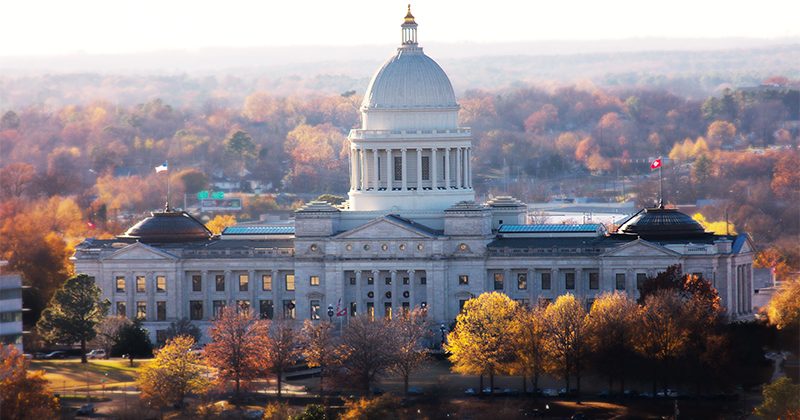
Capital: Little Rock
Population: ~3.1 million
Region: Southern United States
Primary Industries: Retail logistics, agriculture, poultry production, manufacturing, transportation, natural resources
Economic Foundations
1. Retail & Corporate Headquarters
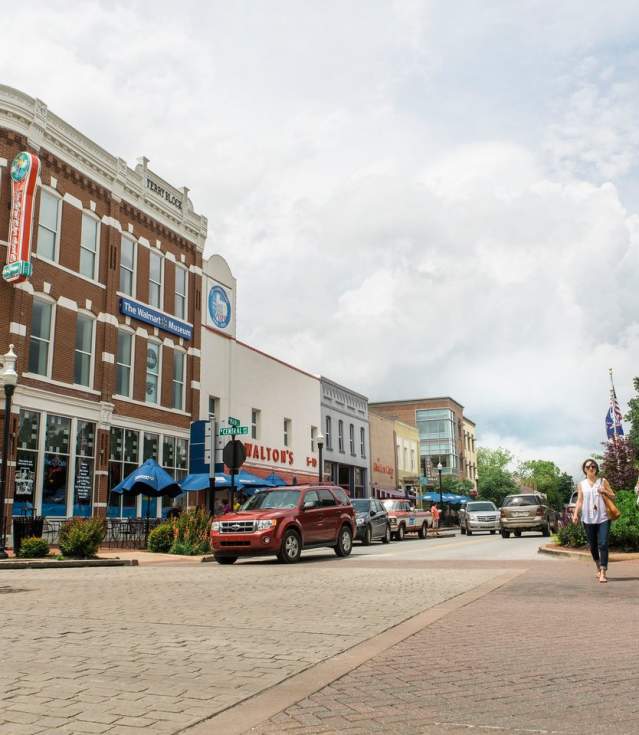
Arkansas is home to global retail giant Walmart, headquartered in Bentonville.
This has created:
A massive supply chain ecosystem
Logistics infrastructure expansion
Vendor and technology clustering
2. Agriculture Powerhouse
Poultry production leader
Rice, soybeans, and cotton
Forestry and timber
Arkansas consistently ranks among top U.S. producers of rice.
3. Manufacturing & Transportation
Steel production
Aerospace components
River-based freight via the Mississippi River
Key Cities and Strategic Zones
Little Rock
Government center
Healthcare systems
Financial services
Fayetteville
University-driven economy
Tech startups emerging
Fast-growing metro
Fort Smith
Manufacturing
Cross-border trade with Oklahoma
Bentonville
Corporate services
Global vendor operations
Tourism & Natural Assets
Arkansas is defined by natural landscapes:
Ozark Mountains
Hot Springs National Park
Buffalo National River
Extensive state park system
Outdoor recreation includes:
Hiking
Mountain biking
Fishing
Camping
Lake tourism
The tourism sector continues expanding, especially in eco-tourism and adventure travel.
Cost Advantage
Compared to coastal states, Arkansas offers:
Lower corporate tax burden
Affordable commercial real estate
Competitive labor costs
Lower cost of living
This creates strong margins for startups and mid-sized manufacturers.
Infrastructure & Logistics
Interstate highways (I-40, I-30, I-49)
Mississippi River access
Rail freight networks
Regional airports
Its central location allows distribution to both East and West Coast markets efficiently.
Growth Indicators
Arkansas has experienced:
Northwest Arkansas population surge
Real estate appreciation in metro corridors
Industrial park development
Expansion in food processing plants
Northwest Arkansas in particular has become one of the fastest-growing regions in the South.
ShockTrail Strategic Insight
Arkansas is not a headline state — it is a margin state.
For:
Supply chain operators
Agricultural investors
Mid-market manufacturers
Real estate developers
The combination of affordability, land availability, and business incentives makes Arkansas a strong secondary market play.
Final Assessment
Arkansas balances:
• Natural preservation
• Industrial logistics
• Agricultural dominance
• Corporate infrastructure
It may not compete with California in tech scale or Texas in oil output — but for operational efficiency and steady growth, Arkansas is a calculated strategic move.
ShockTrail continues mapping opportunity across America — one state at a time.