

The 50 Largest Cities in Italy: An Urban, Economic, and Strategic Analysis

The 50 Largest Cities in Italy: An Urban, Economic, and Strategic Analysis
Italy’s global image is often framed by art, history, and tourism. Yet beneath that romanticized surface lies a sophisticated urban network shaped by industrial power, regional economics, demographic density, and strategic geography. Examining Italy’s largest cities reveals far more than population statistics — it exposes how the country functions socially, economically, and structurally.
For readers focused on macro trends, investment logic, mobility, or global urban dynamics, Italy provides one of Europe’s most intriguing case studies.
🌍 Italy’s Urban Structure: A Decentralized Power Model
Unlike countries dominated by a single megacity, Italy operates through multiple high-impact urban centers. Power is distributed rather than centralized.
Rome anchors political authority, administrative functions, and global tourism.
Milan serves as the financial, corporate, and innovation engine.
Naples represents demographic density and southern logistical relevance.
This multi-core configuration creates economic resilience. Italy does not rely on one city — it relies on an interconnected system of regional capitals.
📊 Population Size vs. Economic Weight
A critical analytical distinction: larger population does not always equal larger economic influence.
For example:
• Milan exerts disproportionate financial power relative to its population
• Rome dominates institutional and tourism sectors
• Turin remains historically industrial despite demographic shifts
Urban influence in Italy is sector-specific rather than purely demographic.
🏛️ Northern Italy: Industrial and Financial Concentration

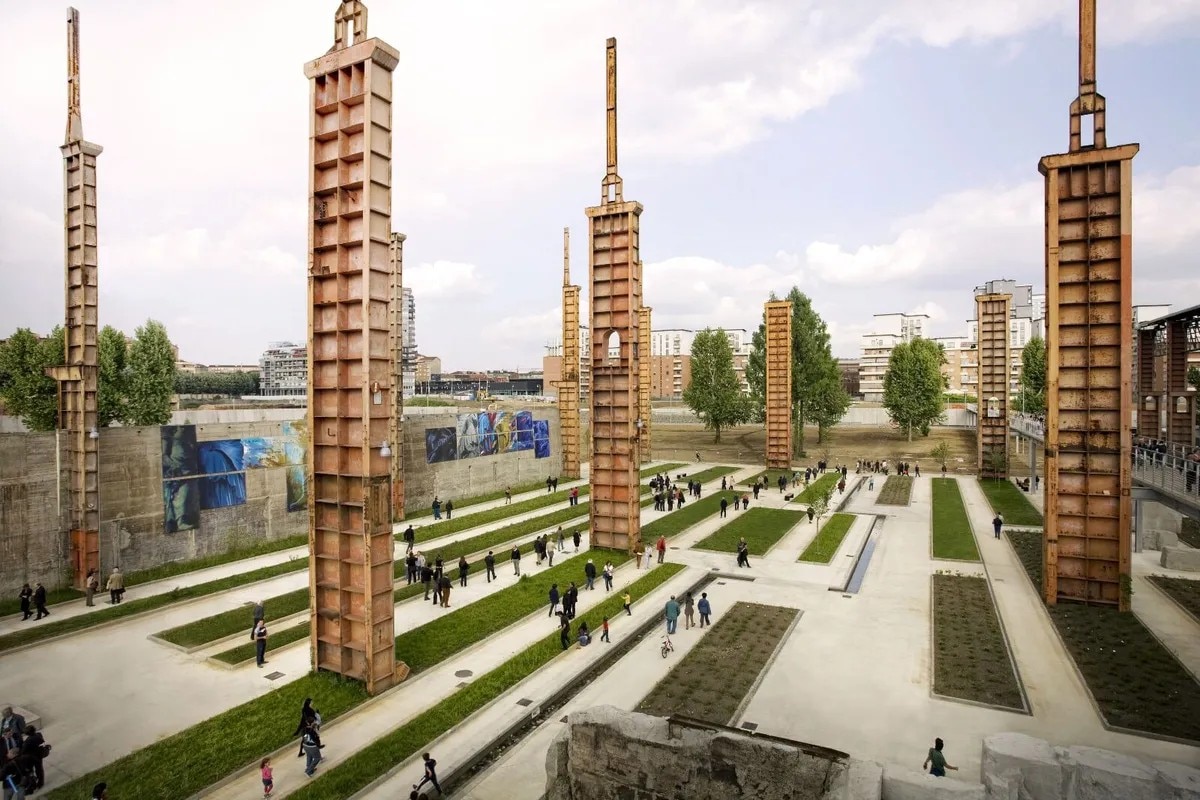

Northern Italy functions as the country’s economic powerhouse, characterized by:
✔ High GDP concentration
✔ Advanced manufacturing
✔ Financial services dominance
✔ Logistics and export infrastructure
✔ Technology and innovation clusters
Key urban centers include:
Milan – Finance, fashion, corporate headquarters, startups
Turin – Automotive legacy, aerospace, engineering
Bologna – Academic capital + industrial excellence
Genoa – Strategic maritime logistics
Brescia – Industrial manufacturing hub
Verona – Trade, logistics, tourism-business hybrid
Northern cities collectively sustain Italy’s export economy and industrial competitiveness within the EU.
🎨 Central Italy: Cultural Capital Meets Economic Function

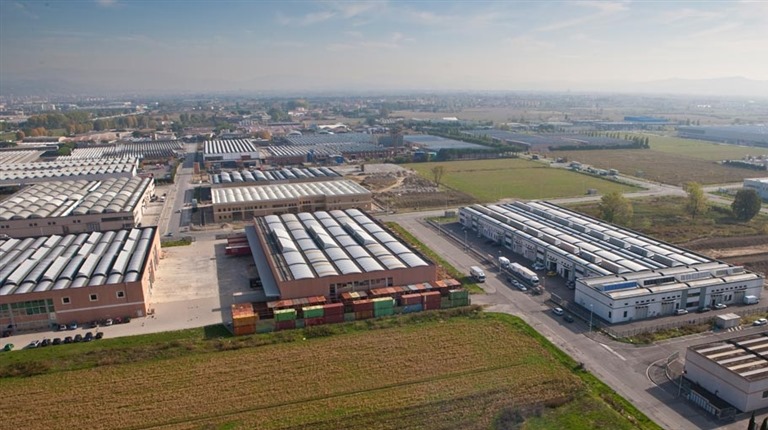

Central Italy is frequently misunderstood as purely historical. In reality, it combines:
✔ Cultural tourism dominance
✔ Specialized manufacturing
✔ Academic and research sectors
✔ Creative industries
✔ Regional trade economies
Florence – Global cultural brand + luxury industries
Prato – Textile and manufacturing significance
Perugia – Education, regional services
Livorno – Maritime logistics & trade
Arezzo – Regional economic node
Central cities illustrate a key Italian pattern: heritage and commerce coexist rather than compete.
🌋 Southern Italy: Density, Expansion, and Structural Contrast

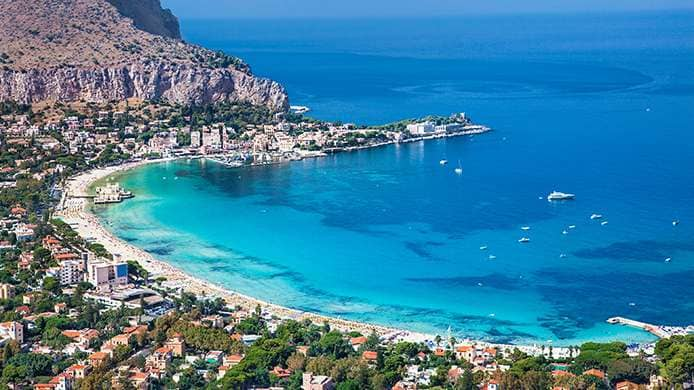

Southern Italy presents a markedly different urban profile:
✔ Higher population density in select cities
✔ Strong informal economic sectors
✔ Logistical importance in the Mediterranean
✔ Tourism-driven regional economies
✔ Infrastructure disparities
Naples – One of Europe’s densest metropolitan zones
Palermo – Administrative & cultural capital of Sicily
Catania – Economic engine of eastern Sicily
Bari – Port logistics & regional trade
Taranto – Industrial & naval significance
Lecce – Tourism & cultural economy
Southern cities highlight Italy’s internal contrasts — a defining feature of the country’s urban identity.
📈 Strategic Insights: Why These Cities Matter
Understanding Italy’s largest cities unlocks insights across multiple domains:
✔ Investment & Real Estate
Urban density, tourism flows, and infrastructure expansion drive localized opportunities.
✔ Logistics & Trade
Port cities like Genoa, Livorno, Bari, and Palermo play crucial roles in European supply chains.
✔ Tourism Economics
Cities such as Rome, Florence, Venice, and Verona operate as global revenue engines.
✔ Industrial Geography
Northern clusters sustain Italy’s manufacturing competitiveness.
🧭 Italy’s Urban Advantage: Diversity as Strength
Italy’s cities do not function as duplicates of one another. Each urban center operates within a distinct ecosystem:
• Financial (Milan)
• Institutional (Rome)
• Industrial (Turin, Brescia)
• Cultural (Florence, Venice)
• Logistical (Genoa, Bari)
• Tourism-intensive (Verona, Lecce)
This diversity reduces systemic risk and enhances national adaptability.
🚀 Final Perspective
Italy’s largest cities represent far more than historical destinations. They form a complex lattice of economic engines, demographic hubs, cultural powerhouses, and strategic gateways.
For analysts, investors, entrepreneurs, or globally minded observers, Italy offers a powerful reminder:
Urban scale is not just about size — it is about function, specialization, and connectivity.
🔎 Strategic SEO Tags
largest cities in Italy, Italy urban analysis, Rome economy, Milan financial hub, Naples population density, Italian cities economic profile, investing in Italy cities, Northern Italy industry, Southern Italy urban trends, Florence cultural economy, Turin industrial legacy, Italian logistics cities, European urban systems, Italy demographics, Mediterranean trade hubs, Italy real estate markets, Italian metropolitan centers, Milan business ecosystem, Rome tourism economy, Italian regional capitals, global cities Italy, Italy urban development, Shocktrail urban insights, Italy market analysis, Italy economic geography.
Roma, Milão, Nápoles, Turim, Palermo, Gênova, Bolonha, Florença, Bari, Catânia, Veneza, Verona, Messina, Pádua, Trieste, Taranto, Brescia, Prato, Parma, Modena, Reggio Calabria, Reggio Emilia, Perugia, Livorno, Cagliari, Foggia, Rimini, Salerno, Ferrara, Sassari, Latina, Giugliano in Campania, Monza, Siracusa, Pescara, Bergamo, Trento, Vicenza, Terni, Bolzano, Novara, Piacenza, Ancona, Andria, Arezzo, Udine, Cesena, Lecce, La Spezia, Como.